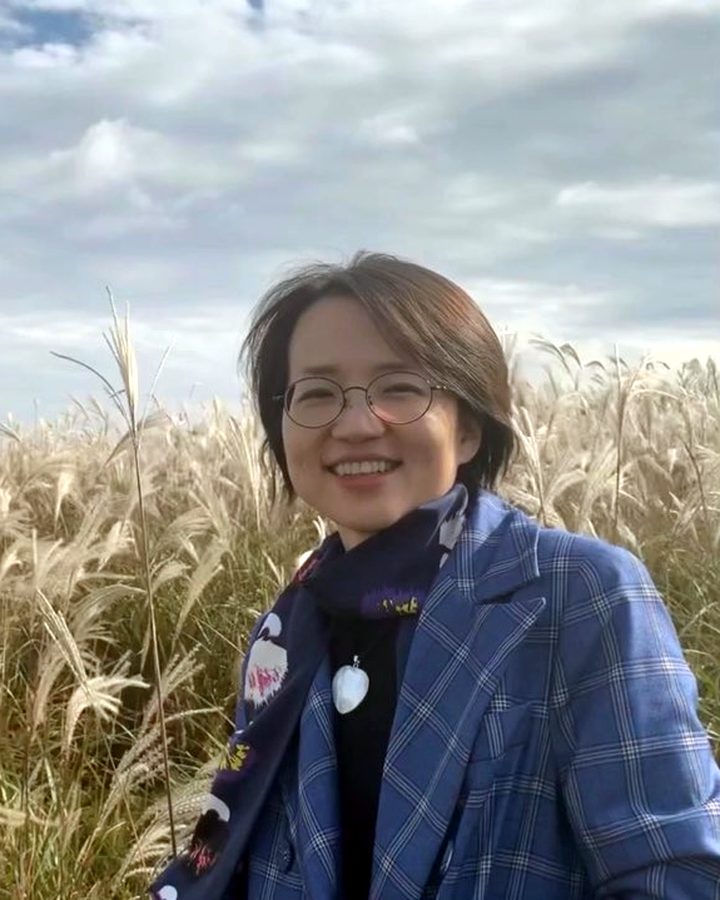
Joohee Seo
K.M.D., Ph.D.
Clinician · Researcher · Educator
Suffering is an inevitable part of being human. Much of my work begins not with trying to remove it, but with helping people relate to it differently.
My work centers on women’s ADHD and trauma-informed mental health, exploring how human suffering emerges and heals across the body, mind, relationships, culture, and healthcare systems. I am a Doctor of Korean Medicine and a board-certified specialist in the neuropsychiatry of Korean Medicine, practicing at the National Medical Center, a leading public hospital in Seoul. In the clinic, in research, and in teaching, I keep returning to the same question: how suffering becomes invisible, how it shows itself in the body and in a life, and what makes recovery possible. This site is a living record of that work - the clinical care, research, translation, and collaborations it has grown into - offered less as an introduction than as an open window.
At the National Medical Center I care for people living with trauma and anxiety, with insomnia that has lasted for years, with pain and autonomic overarousal that show up in the body, and with the difficulty of regulating emotion - as well as for women navigating their mental health. My practice brings together two things that are usually kept apart: the physiological care of Korean Medicine - acupuncture and herbal medicine that help the body settle so the mind can do its work - and mindfulness- and somatic-based psychotherapy, including Hakomi and Brainspotting. Over the years, and alongside my own meditation practice, this work has gathered toward one quiet aim: helping the people I care for recover their capacity for self-compassion.
As a researcher I am led by the same question. How does suffering become invisible - and what becomes possible when it is finally recognized? That question is at its sharpest in the lives of women with ADHD, especially those who reach midlife before realizing it has quietly shaped everything. The same question returns after disaster, where suffering is no longer one person’s but collective and institutional, and where I ask what a public healthcare system, and Korean Medicine within it, can hold. Moving between text-mining and qualitative research, I try to listen to both the large patterns and the single story, and to ask what it takes for mental-health care in the age of AI to remain clinically safe and humane.
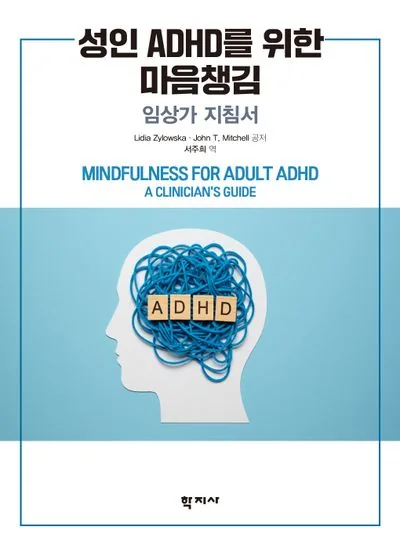
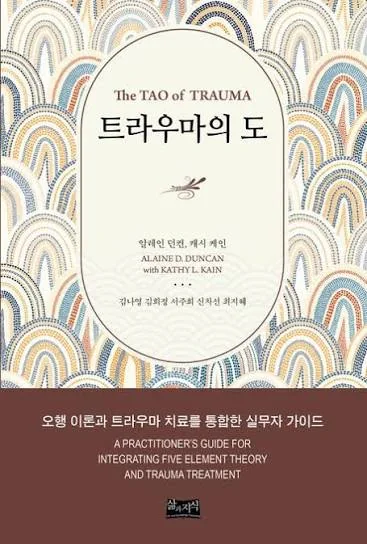
Teaching and translation have grown naturally out of this work. I teach at the university level, lecture at academic conferences, have carried much of the world’s trauma and somatic psychotherapy literature into Korean, and work with clinicians who want to deepen their practice. Looking back, my work has always been a kind of bridging - between body and mind, between Korean Medicine and modern clinical science, between the individual consulting room and the public systems around it, and between people and technology.
Beneath all of it lies a single conviction, one that contemplative traditions and modern psychotherapies alike have pointed to: that every person carries, beneath their suffering, an intact capacity for awareness, compassion, and self-understanding. As a clinician I trust that capacity completely. Whether in the clinic, in research, or in teaching, my work is to help it come forward.

This site is a growing record, not a promotion - a way of looking back on the path so far, keeping the work in order, and leaving a window open for the conversations still to come.